
Deliver tool cases and fittings to a customer site.
TRANSPORT IDEAS · Switzerland
Workshop & installation supplies transport
Service and installation work often depends on tools, profiles and spare parts arriving at the right time. Suitable packed materials can be transported after checking the vehicle and access.
EXAMPLES
Typical transport cases
These examples show what may fit. The goods, vehicle and access decide if a trip is suitable.
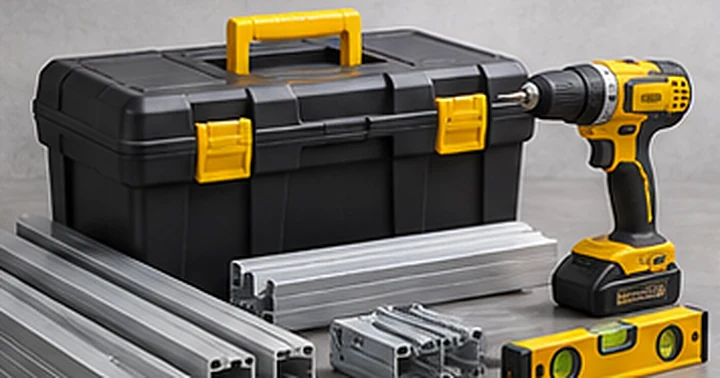
Move packaged profiles and parts from a workshop.
Carry suitable spare materials for service and repair visits.
Prepare before collection
- Cover sharp edges and secure tools in closed cases.
- Provide exact lengths and individual item weights.
- Check batteries, chemicals and other regulated goods separately.
- Confirm collection and access hours at the destination.
We only carry goods within Switzerland. No people, chilled goods or dangerous cargo. Lifting, setup and disposal need prior agreement.
Three steps towards your transport
- 01Enter pickup and destination
- 02Provide cargo size and weight
- 03Check price and suitability
Frequently asked questions
Will the courier carry out installation work?
No. The service concerns transport of suitable goods, not trade installation.
Are batteries and chemicals allowed?
Hazardous or regulated goods are not automatically eligible and need a separate assessment.
GOOD TO KNOW
Prepare your transport
Label installation components and sort them by destination. Confirm site requirements and a secure handover.
We only offer trips within Switzerland. We do not carry people, chilled goods or dangerous cargo. Lifting, assembly and disposal must be agreed in advance.
Check pricePRACTICAL TIPS
What to check before the trip
A practical plan makes the collection and delivery easier. Review the goods, access to each address and the agreed handover before confirming a booking.
List the goods
Prepare a clear inventory of the consignment. Count all packages and loose items, including small parts that can easily be overlooked.
For this type of consignment, verify sort tools, parts and supplies by job.
Inspect each item before collection. A photo can document its shape and current condition, but it cannot replace accurate measurements.
Measure the full length, width and height and provide the weight of each large item. An estimate alone may lead to the wrong vehicle choice.
Pack loose fittings in a strong, clearly labelled box and keep them with the main shipment.
A short list helps you count the load. Keep it near the goods. Note how many pieces are due. That way, a lost part is easy to spot.
Check the pickup point
Confirm that someone can release the goods at the agreed time, and supply their contact details and the complete address.
Please also confirm keep screws and small fittings in closed boxes.
Check whether a narrow gate, steps or a long loading path could affect access, and inform the contact before collection.
Ensure the consignment is complete and ready at the agreed collection time. The driver should not have to search for missing packages.
For a store pickup, ask which desk holds the goods. Check the receipt and pickup code.
A clear place to meet helps. Tell the driver where they may stop for a short time. Check the gate and the time too. The site must be ready.
Pack for a safe trip
Pay close attention to check access to the workshop or work site.
Protect fragile surfaces, painted items and sharp edges with suitable padding. Secure loose components in stable packaging.
Arrange suitable restraint so that nothing can roll or tip over in transit, and protect adjacent items from damage.
Photographs help assess the shape of the load, but accurate measurements are still needed to select the vehicle.
A car may fit a small load. Large items may need a van. The real size is what matters.
The shape of a load can be just as key. A long item may take more space than it seems. Give the true size of the item when you book.
Plan the handover
Provide the complete street address and identify the correct entrance, loading gate or delivery point.
Confirm who will receive the goods and agree exactly where the driver can complete the handover.
Check where the van can stop. A long path to the door takes more time.
Count the goods at the end. Look for marks on the box or the outer cover.
Record any missing or damaged items during the handover so that both parties have a clear account of the delivery.
A photo of the outer box may help. Keep the list of parts close at hand. Both sides can then see what was sent and what came in.
Time, price and limits
Pickup and drop-off must both be in Switzerland. No cross-border trip is sold on this site.
Enter accurate collection and delivery details along with the consignment information, then review the proposed route and price online.
Check the available time window before booking; feasibility depends on the planned route, the goods and the required vehicle.
We do not carry people, goods that need cooling or dangerous cargo.
Assistance with carrying, assembly or disposal is not automatically included. Discuss any additional service before making a booking.
Check all details at the end. Is the load ready? Is the address right? Can someone take the goods?
If the size, time or place has changed, check the trip again. The plan must fit the real load and the real route. Do not use old facts.
A sample trip plan
Take this example: A workshop needs parts for a job.
Begin by listing the goods and checking their size and weight. Pack loose or sharp components securely before arranging collection.
Confirm access to the collection address, including who can open the entrance and where the vehicle may stop for loading.
At the delivery address, agree who will accept the consignment and whether steps, gates or walking distance affect unloading.
Review the route, price and available time before confirming. The planned service must suit the actual goods.
If a detail changes, check the plan again. Use the real size, place and time. Do not use old data.